

Why Winter Is One of the Most Important Seasons for Roof Inspections
When the majority of homeowners consider roof inspections, they typically think of spring and autumn. Winter, however, is frequently ignored—yet it is one of the most important times for evaluating the state of your roof. In Illinois, where harsh cold, snowfall, ice, and powerful winds are common, winter conditions can rapidly expose flaws in even the most sturdy roofing structures.
A proactive winter roof assessment can safeguard your house, avert expensive harm, and make sure your roof is ready for the toughest weather of the season.
Winter Weather Puts Roofs to the Ultimate Test
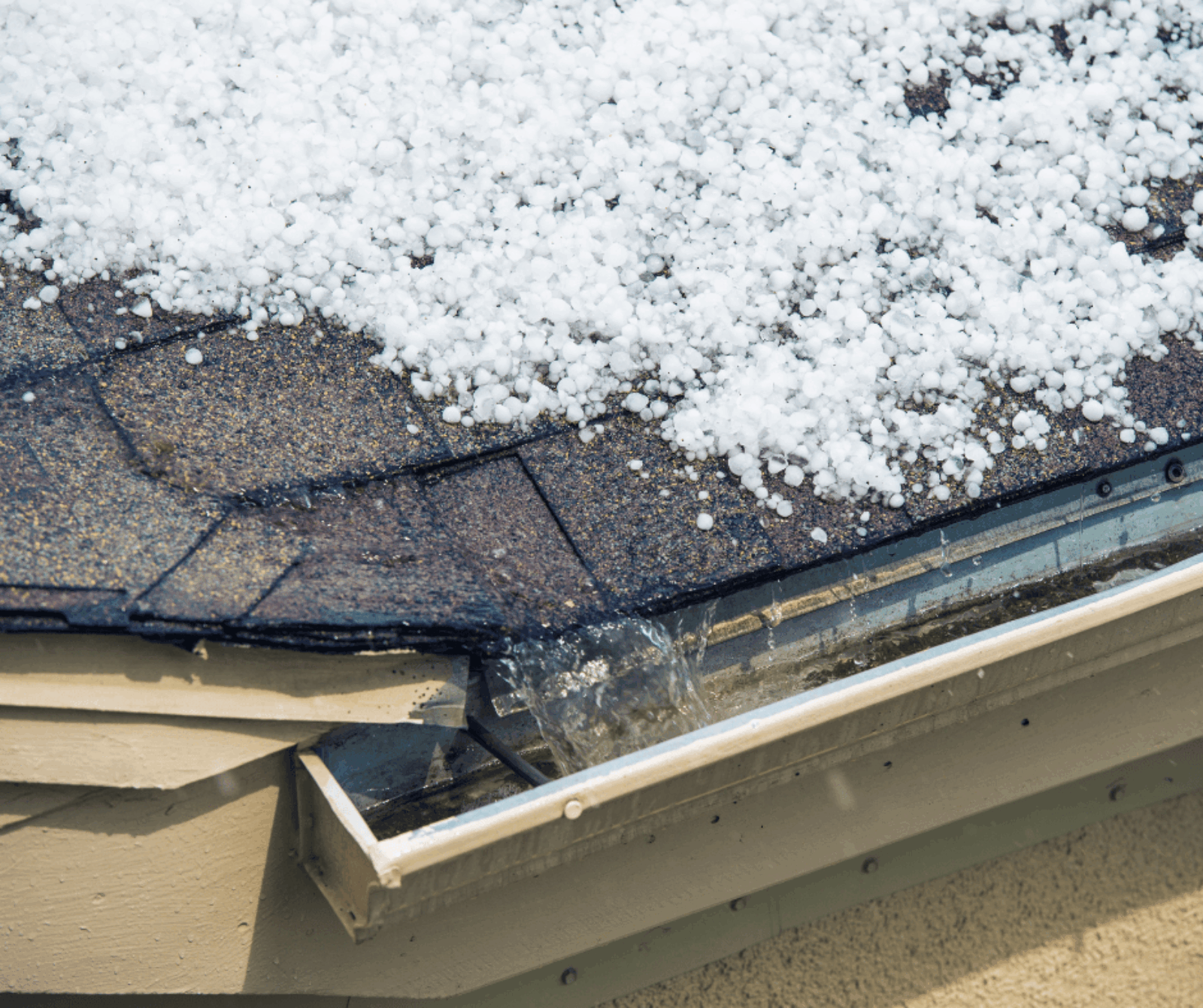
Your roof performs most actively during winter. Snow buildup increases weight, ice causes expansion and contraction, and cold temperatures put stress on roofing materials. Snow and ice caused by wind can push moisture into tiny gaps or weak spots, resulting in damage that frequently remains undetected until it escalates into a significant issue.
Frequent roofing problems associated with winter consist of:
- Ice barriers that hinder adequate drainage
- Fractured or fragile shingles as a result of cold weather.
- Water penetration from thawing snow and freezing ice
- Destruction resulting from strong winds and substantial snowfall
A winter inspection helps detect these issues quickly—before they become a threat to your home.
Small Problems Become Big Ones Faster in Winter
A major risk of overlooking roof inspections in winter is the rapid escalation of minor problems. A tiny leak can travel unnoticed under snow and ice, dampening insulation, harming ceilings, and promoting mold development. What might have been an easy fix can swiftly become an expensive renovation project.
Checking your roof in winter allows for any potential issues to be resolved before they escalate, conserving both time and money.
Ice Dams and Drainage Issues Are Best Caught Early
Ice dams are one of the most damaging winter roofing issues. They happen when warmth leaves the house, causing snow on the roof to melt, which then refreezes at the edges. This accumulation of ice prevents adequate drainage and can push water back beneath the shingles and inside the house.
A winter roof inspection can identify:
- Initial indicators of ice dam development
- Inadequate ventilation or insulation problems leading to heat loss.
- Blocked gutters or drainage routes
Tackling these issues early on protects your roof, attic, and indoor areas from water damage.
Winter Inspections Reveal How Well Your Roof Is Truly Performing
Compared to assessments in mild weather, winter evaluations tend to show your roof’s performance under true stress. Snow weight, ice buildup, and frigid temperatures show weaknesses that may not be noticeable in other seasons.
This is especially true for:
- Older roofs
- Houses that tend to have frequent leaks
- Commercial properties with extensive roof surface areas
- Properties that have undergone storm damage
Experience and Quality Matter Most in Winter
Not every roofing problem is simple to spot in winter. Inspections demand expertise, awareness of winter-related issues, and insight into how Illinois weather affects different roofing systems. Selecting a qualified, seasoned roofing contractor guarantees that inspections are comprehensive, secure, and precise.
A contractor with years of experience knows how to assess roofing materials in cold weather and can spot problems that others might overlook.
Don’t Wait Until Spring
Delaying your roof inspection until warmer weather may result in enduring concealed damage throughout the winter. When spring comes, small problems might have escalated into expensive fixes.At Haynes Construction & Restoration Inc., we recognize the pressure that Midwest winters impose on your roof. Our skilled team is dedicated to assisting homeowners in recognizing possible issues early on. If you have worries regarding your roof after this winter or want a professional assessment, contact Haynes Construction & Restoration Inc. at 815-932-5259 for more information.