

Should You Finance a New Roof? What Homeowners Should Know
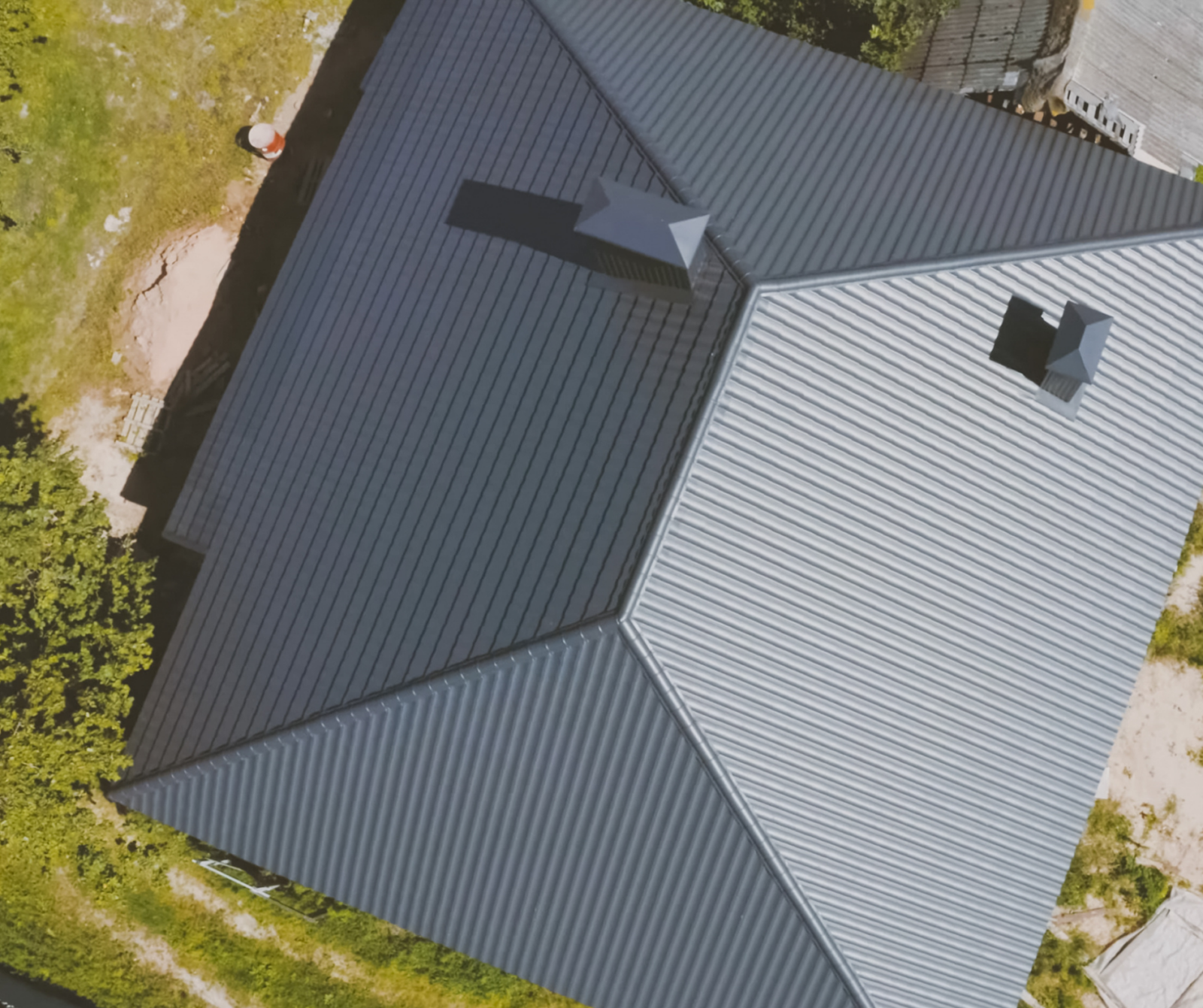
Before making significant home renovations, a common question that homeowners ask is, “Is financing a good option for a new roof?” Paying in full is perfect for certain situations, but financing offers a feasible option that helps you safeguard your home without postponing essential repairs or replacements. Understanding when financing is viable, how to balance repair against replacement expenses, and what factors to evaluate before applying can help you make the smartest decision based on your situation.
When Does Financing a New Roof Make Sense?
A roof is one of the most crucial investments you’ll make for your house. It safeguards everything beneath it, including your family and possessions, as well as the house’s structure. Therefore, roofing projects can entail significant costs, and not all homeowners have the money immediately accessible.
Financing can be a wise choice if:
- Your roof has hit the limit of its life expectancy.
- Damage from the storm needs prompt action.
- Delaying the savings for the entire sum might result in pricier repairs down the line.
- You wish to maintain your emergency funds for unforeseen costs.
- You’re intending to sell your house and wish to improve its worth and exterior attractiveness.
Postponing an important roof replacement frequently leads to water damage, mold development, insulation issues, and structural complications that are much more expensive than the initial roof replacement cost.
Repair or Replace? Understanding the Difference
Not all roofing issues need a complete replacement. Sometimes, a repair alone can bring back your roof’s functionality.
A repair might be suitable if:
- Damage is confined to a restricted location.
- The roof is fairly new.
- The main issue is missing shingles or small leaks.
Although, replacement might be the better long-term investment if:
- Your roof is close to or surpassing its anticipated lifespan.
- You have extensive storm damage.
- Despite earlier fixes, leaks persist.
- There is considerable deterioration, curled shingles, or absent granules.
- The expenses for repairs keep accumulating as time goes by.
While replacing a roof demands a significant initial investment, it frequently eliminates ongoing repair expenses while offering enhanced protection, better energy efficiency, and a rise in home value.
What to Consider Before Financing
Before applying for financing, spend time evaluating your options and comprehending your financial circumstances.
Here are several key things to keep in mind:
Know the Scope of the Project
Start with a thorough roof inspection to establish if your house requires repairs or a total replacement. An accurate estimate helps in understanding the amount of funding you might need.
Review Your Budget
Think about how monthly expenses align with your existing household budget. Funding should offer reassurance, not unnecessary financial pressure.
Check for Insurance Coverage
If your roof sustains damage from hail, strong winds, or another covered incident, your homeowner’s insurance might reimburse part or all of the replacement expenses. Working with a skilled contractor can ease the insurance claims process and guarantee that the damage is properly recorded.
Compare Financing Options
Different lenders present varying loan conditions, interest rates, and repayment choices. Spend time assessing your options to choose a financing solution that suits your needs.
Protect Your Home Without Waiting
Issues with roofing rarely resolve themselves. In many instances, taking action earlier can prevent more extensive and costlier harm down the line. Financing enables many homeowners to carry out essential upgrades when needed rather than delaying them due to upfront expenses.
Regardless of whether your project involves replacing an old roof, fixing storm-related damage, or putting in new gutters, investigating financing alternatives can ease the burden of the investment.
Financing Made Simple