

The Cold-Weather Cycle That Puts Your Roof at Risk
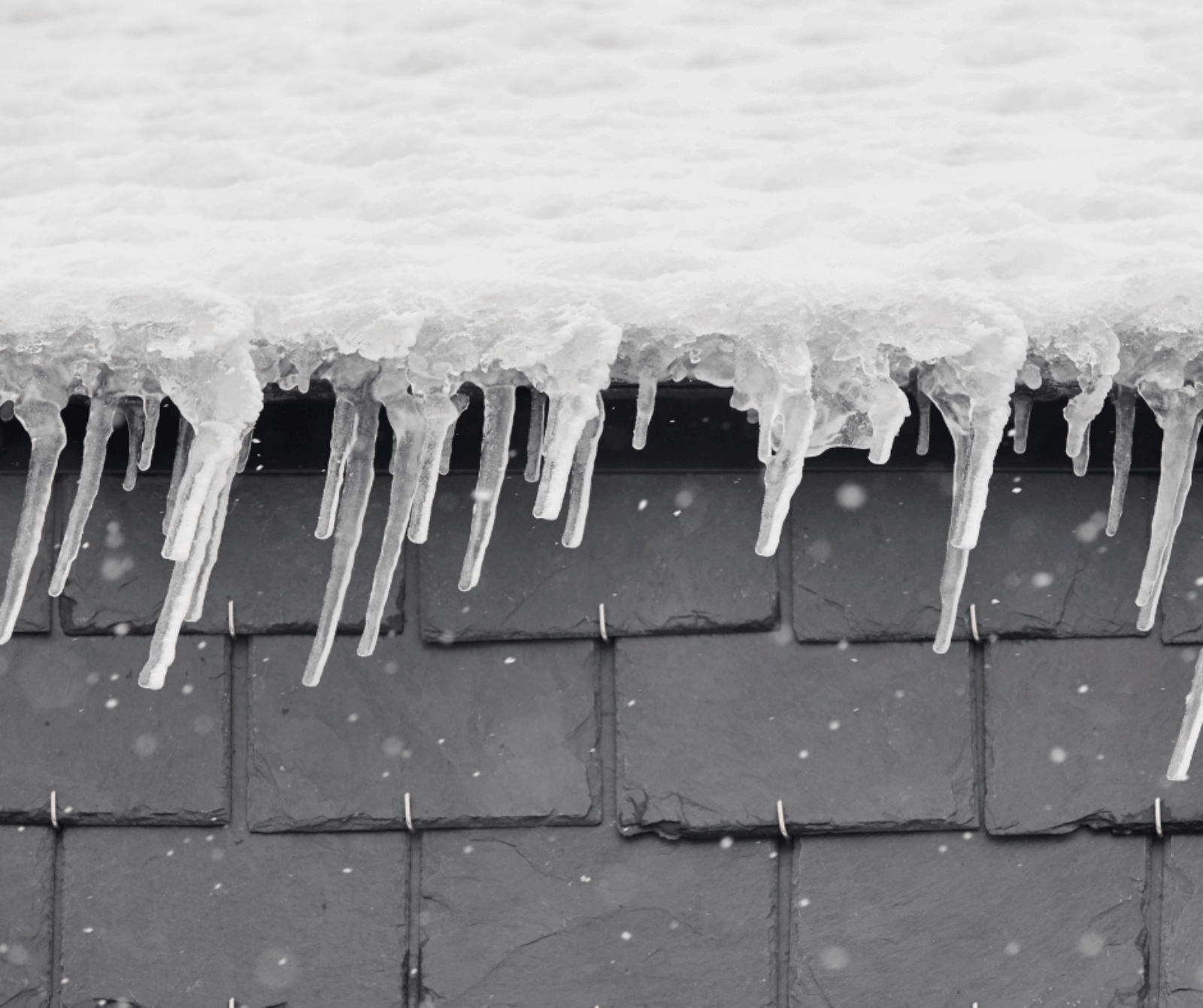
In winter, temperatures tend to rise high enough to thaw snow or ice, only to refreeze again later. When this occurs frequently, moisture seeps into small cracks, seams, or gaps in your roof. When it refreezes, it expands—broadening those openings and forming routes for additional water infiltration.
Through weeks or months, this process can transform minor vulnerabilities into expensive roof repairs when your roof is at risk.
How Freeze–Thaw Cycles Damage Your Roof At risk
1. Shingle Damage: Cracking, Lifting, and Granule Loss
Your shingles serve as the primary defense for your roof, but they face challenges during winter.
- Moisture infiltrates under shingles, then freezes and expands, leading to them lifting or curling.
- Cracking happens when shingles turn brittle in low temperatures.
- The increase in granule loss diminishes the shingles’ UV defense and shortens their lifespan.
A single harsh winter can hasten the deterioration of aging shingles. Throughout several seasons, the deterioration accumulates—creating circumstances for leaks and internal water damage.
2. Flashing Issues: How Gaps Form Near Vents, Chimneys & Valleys
Flashing is intended to prevent water from entering the most susceptible parts of your roof. However, freeze–thaw cycles can deteriorate flashing quicker than nearly any other element.
What can occur:
- Metal flashing dilates and shrinks, causing nails and sealant to become loose.
- Spaces develop around chimneys, skylights, dormers, and roof valleys.
- Melted snow and ice seep through these gaps—often leading to hidden leaks that you may not notice immediately.
Since flashing problems aren’t always evident from the ground, homeowners frequently overlook early warning signs until major interior damage occurs.
3. Gutter Problems: Ice Buildup & Structural Stress
Gutters often go unappreciated in winter, yet they are crucial for maintaining roof health.
Freeze–thaw cycles have the capacity to:
- Create obstructions when thawed snow refreezes within the gutters.
- Include additional weight that bends or displaces gutters from the house.
- Propel water backward beneath shingles during thawing phases.
- Lead to ice dams, a major winter roofing issue.
When gutters fail to direct water effectively, the roofline becomes susceptible to leaks, mold, and wood decay.
Signs the Freeze–Thaw Cycle Is Damaging Your Roof
Be vigilant for these cautionary signs:
- Shingles curling or absent shingles
- Moisture marks within your attic or on ceilings
- Icicles developing at the edge of the roof
- Drooping or curved gutters
- Wet insulation
- Dark lines on outside walls (water runoff)
If you observe any of these, it’s time to arrange a winter roof assessment.
How to Protect Your Roof At Risk From Winter Expansion & Contraction
While no roof is immune to freezing and thawing, homeowners can significantly reduce damage with proactive care:
- Schedule a winter inspection to catch small issues early
- Ensure gutters are unclogged to support effective drainage
- Enhance insulation and airflow in the attic to avoid ice dams
- Fix or substitute deteriorating flashing prior to significant storms
- Attend to small shingle problems right away
- Clear snow carefully or enlist a professional when accumulation becomes significant
A bit of prevention can make a significant difference—particularly in severe Midwest winters.
Haynes Construction: Your Partner in Year-Round Roof Protection
Freeze-thaw damage can occur silently and swiftly, making regular roof upkeep crucial. At Haynes Construction, our crew can identify initial indications of winter damage and fix your roof before minor issues escalate into major repairs.
Regardless of whether you require an inspection, repairs, or ongoing protection strategies, we’re here to assist in maintaining the safety of your home throughout each season.
Prepared for tranquility this winter?
Reach out to Haynes Construction & Restoration Inc at 815-932-5259 to arrange your roof inspection today.