

What Professional Roof Inspectors Look for Before the Cold Sets In
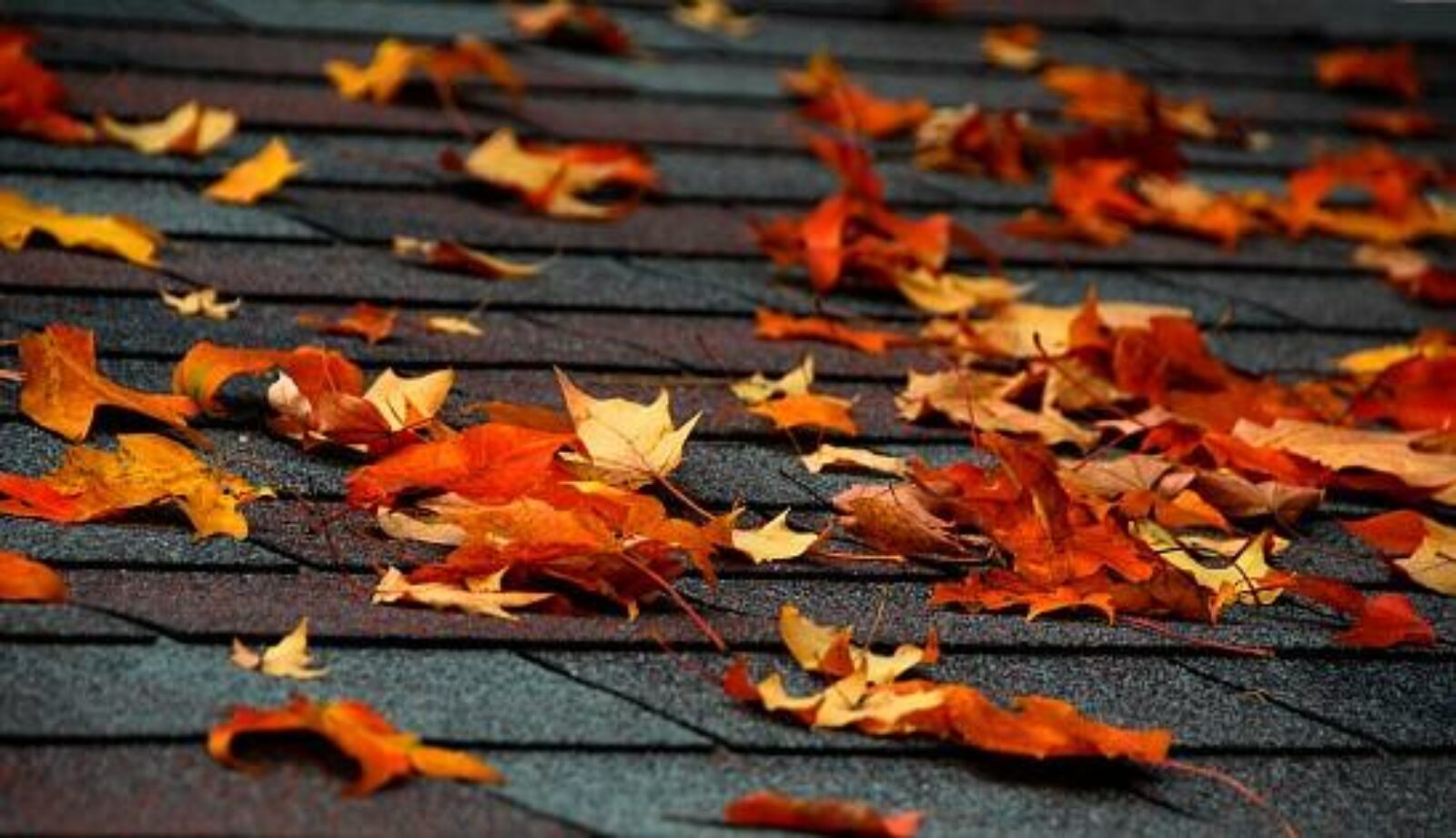
With the declining temperatures and winter in the near future, your roof stands as a crucial barrier for your home. Some of these conditions can severely affect even the strongest roofing systems- and minor problems ignored in the fall can rapidly escalate into significant, costly repairs when the next season arrives.
That’s why scheduling a professional roof inspection before the cold sets in isn’t just a smart move-it’s essential for protecting your home, your comfort, and your wallet. Here’s a look at what the experts check for and why it matters.
1. Shingle Damage and Wear
Expert inspectors begin with the fundamentals: your shingles. They look for cracks, curling, missing pieces, or loose sections that could let moisture seep beneath the surface. A single damaged shingle can allow water to infiltrate, resulting in leaks, warped decking, and mold growth. An inspector will additionally look for granule loss, suggesting that your shingles might be approaching the end of their life expectancy.
2. Flashing and Seal Integrity
Flashing- the narrow metal added around vents, chimneys, and skylights- is a frequent cause of roof leaks. Prior to winter, inspectors check these locations for rust, fractures, openings or inadequate sealing. If flashing isn’t secure, melting snow can seep in and refreeze, prying materials apart and leading to leaks that appear in mid-winter when repairs are most challenging.
3. Gutter and Drainage Systems
A well-maintained, operational gutter system is essential before cold weather sets in. Roof inspectors verify that gutters and downsprouts are free of blockages and correctly positioned to channel water away from your foundation. Blocked gutters can lead to ice dams, where trapped water freezes and expands under the shingles, damaging both the roof and the interior of your home.
4. Attic Ventilation and Insulation
Professional inspectors not only examine the outside-they also assess the attic. Effective insulation and ventilation inhibit condensation, heat loss, and the development of ice dams.
When warm indoor air flows into the attic, it causes the snow on the roof in the wintertime to melt. From there, that meltwater then refreezes at the edges, creating ice dams that can lead to serious structural issues. A trained inspector will identify airflow problems and recommend simple upgrades to maintain a balanced attic temperature.
5. Structural Stability
Winter brings significant snow accumulation, which can burden an old roof. Inspectors evaluate the complete structural soundness of the roof-such as the decking, rafters, and support beams-to verify the system can support extra weight. They also search for sagging areas or soft spots that signal hidden water damage or rot.
6. Chimneys, Skylights, and Roof Penetrations
Each opening in your roof represents a possible vulnerability. Inspectors closely examine chimney flashing, skylight borders, vent pipes, and exhaust fans, confirming that seals remain secure and waterproof. A small gap can allow moisture to enter, which then can freeze and expand-enlarging cracks and causing leaks.
7. Signs of Water Damage
A detailed inspection involves looking for initial indicators of water intrusion- discoloration, mold presence, warped lumber, or wet insulation. Identifying these warning signs promptly helps avoid costly repairs and structural fixes in the future.
The Value of a Pre-Winter Roof Inspection
A roof inspection provides more than reassurance- it identifies minor problems before the upcoming season exacerbates them. Preventive maintenance extends roof lifespan, avoids expensive repairs, enhances energy efficiency, and ensures your home remains warm and secure.
Don’t wait for the initial snowfall. Book a qualified roof inspection today to patch, mend, and strengthen your roof ahead of severe weather approaching. A small amount of planning today can avert major issues tomorrow. Our team at Haynes Construction & Restoration Inc. specializes in handling your home with care!
Ready to get started? Contact us today at 815-932-5259 to see how we can help you protect your home.